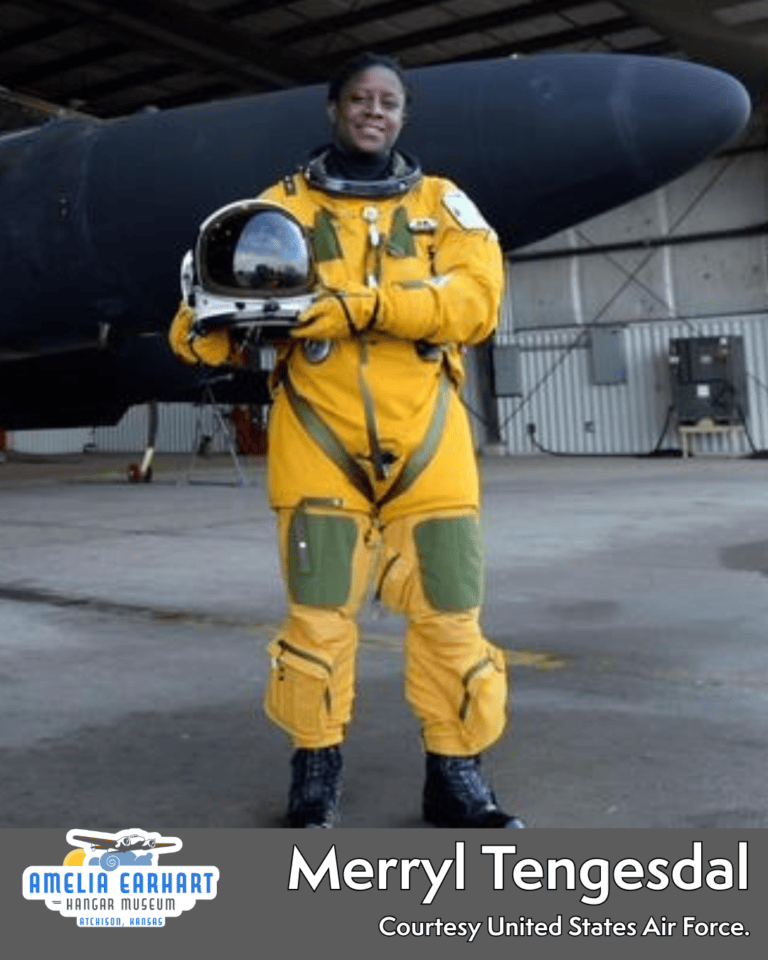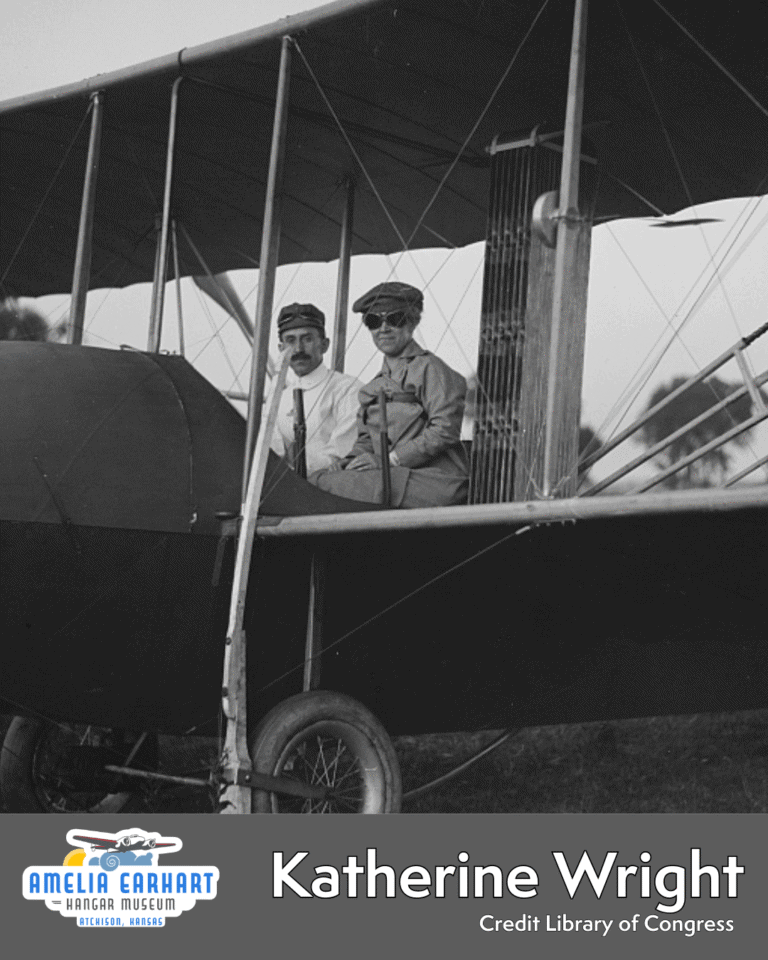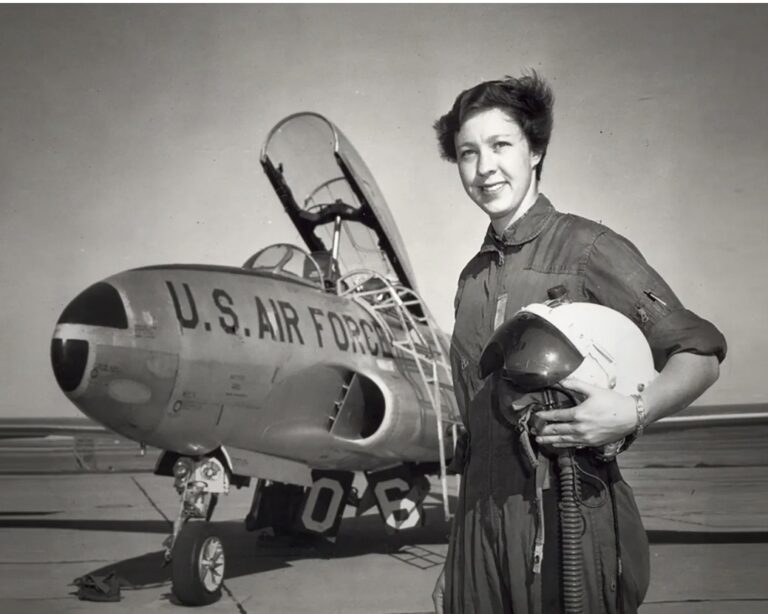
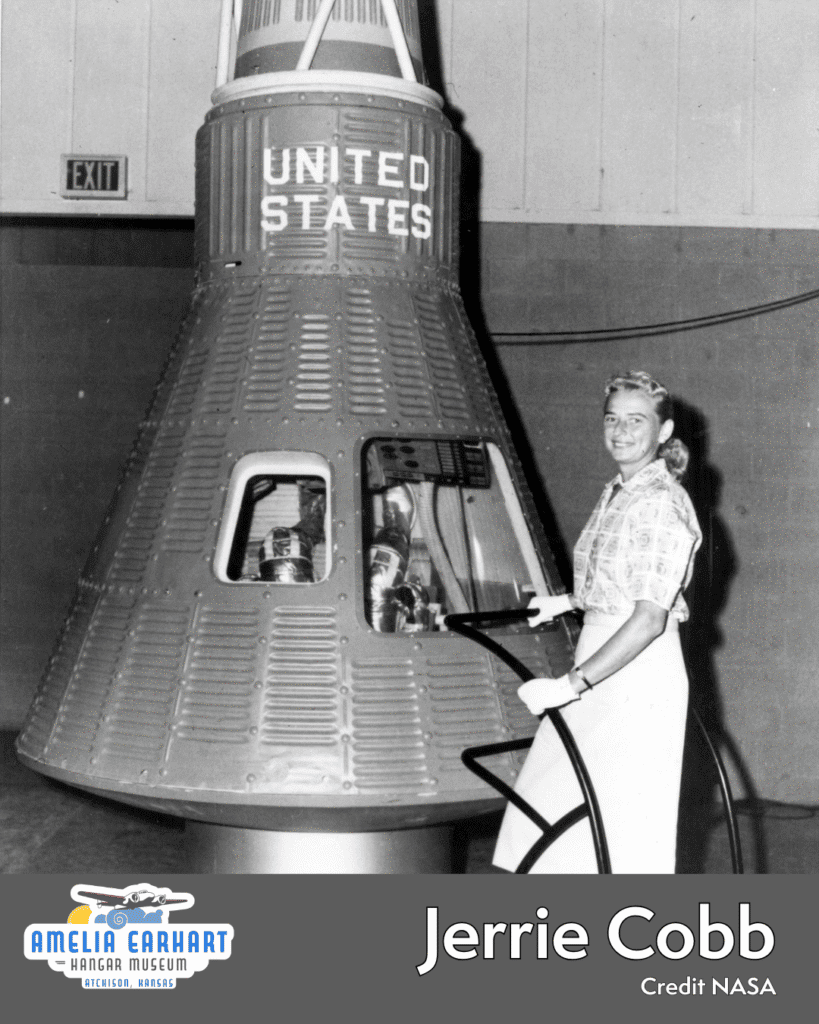
From the beginning, Jerrie Cobb (1931 – 2019) was destined for greatness in aviation. Inspired by her pilot father, Lt. Col. William H. Cobb, Jerrie’s love for flying ignited when she took her first flight at just 12 years old in her father’s 1936 Waco biplane. By 16, she was already performing stunt flights over the Great Plains, dropping leaflets to promote circuses and earning money to fuel her passion by giving rides to eager spectators.
By 17 she had earned her private pilot’s license, followed by her commercial license on her 18th birthday. With an unwavering spirit, Jerrie seized every opportunity to fly, from crop dusting to pipeline patrols and flight instructing. Her determination led her to Florida, where she hoped to be a DC-3 co-pilot, but as a woman, she was rejected for being a woman. She ended up taking a took a clerical job at Miami International Airport, at least still close to her love of aviation.
There fate intervened when she met Jack Ford, president of Fleetway International. He needed a pilot to deliver two AT-6 aircraft to Peru, and despite initial hesitation about her gender, Jerrie handed over her logbook showcasing over 3,000 flight hours. The next three years saw her soaring across the globe, delivering aircraft from fighters to flying boats.
Returning to her home of Oklahoma in 1955, Jerrie’s contributions to aviation continued to grow. She set world records in 1959 for nonstop long-distance flight and light plane speed, and in 1960, she reached an astounding altitude of 37,010 feet in lightweight aircraft. She also started work Aero Design and Engineering Company as one of the few female executives in aviation.
In 1959, Jerrie was among thirteen women selected for the Mercury astronaut program, earning a spot as one of the Mercury 13. She excelled in all phases of testing, ranking in the top 2% of candidates. However, just days before the final phase began, the program was abruptly terminated. Undeterred, Jerrie and her fellow Mercury 13 members lobbied for training alongside the male astronauts but faced the barrier of NASA’s requirement for jet test pilot experience, which women were barred from obtaining at that time. Though she never reached space, her trailblazing efforts opened doors for future female astronauts.
Following her setback with NASA, Jerrie turned her skills towards humanitarian missions in South America, delivering essential supplies to indigenous tribes and charting unexplored air routes through the Andes and the Amazon. Armed with self-drawn maps, she navigated the uncharted skies for over 30 years, earning recognition from the governments of Brazil, Colombia, Ecuador, France, and Peru. In 1981, her humanitarian work even garnered her a nomination for the Nobel Peace Prize. Her legacy continues to inspire future generations of women and flyers to break barriers and follow their dreams.
Enjoy content from Amelia Earhart Hangar Museum? Make us one of your preferred sources on Google.